Category: Media
-
Maui News: Letter: Cameron Center supports true cost of service bills
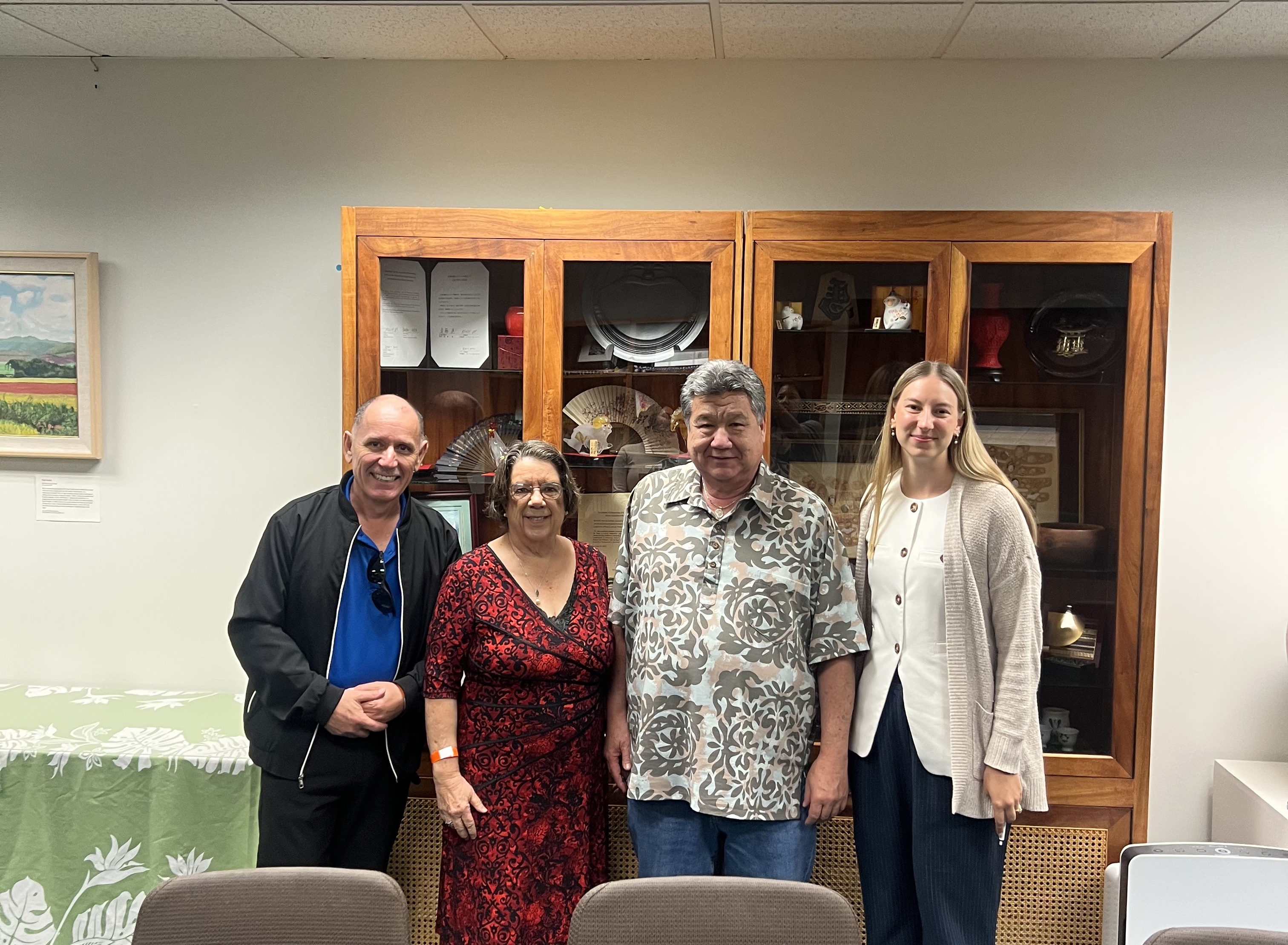
By Cesar Gaxiola, Executive Director J. Walter Cameron Center Hawaiʻi’s safety net is strongest when the community organizations that hold it together are supported and valued. Every day, community-based nonprofits feed families, care for kūpuna, support survivors, shelter youth, and assist people with complex needs. But this safety net is fraying and without action, it…
-
Civil Beat: Fair Taxes Build A Stronger Hawaii For Local Families
By Tanya Yamanaka Aynessazian and Heather Lusk The consequences are real. When public revenues fall short, infrastructure projects are delayed, environmental protection efforts struggle for funding, housing shortages worsen, and social services become strained. Nonprofits working on the front lines see these impacts every day while struggling with state contracts that in many cases haven’t…
-
Hawaii Tribune Herald: Investing in adult day care is investing in island’s future
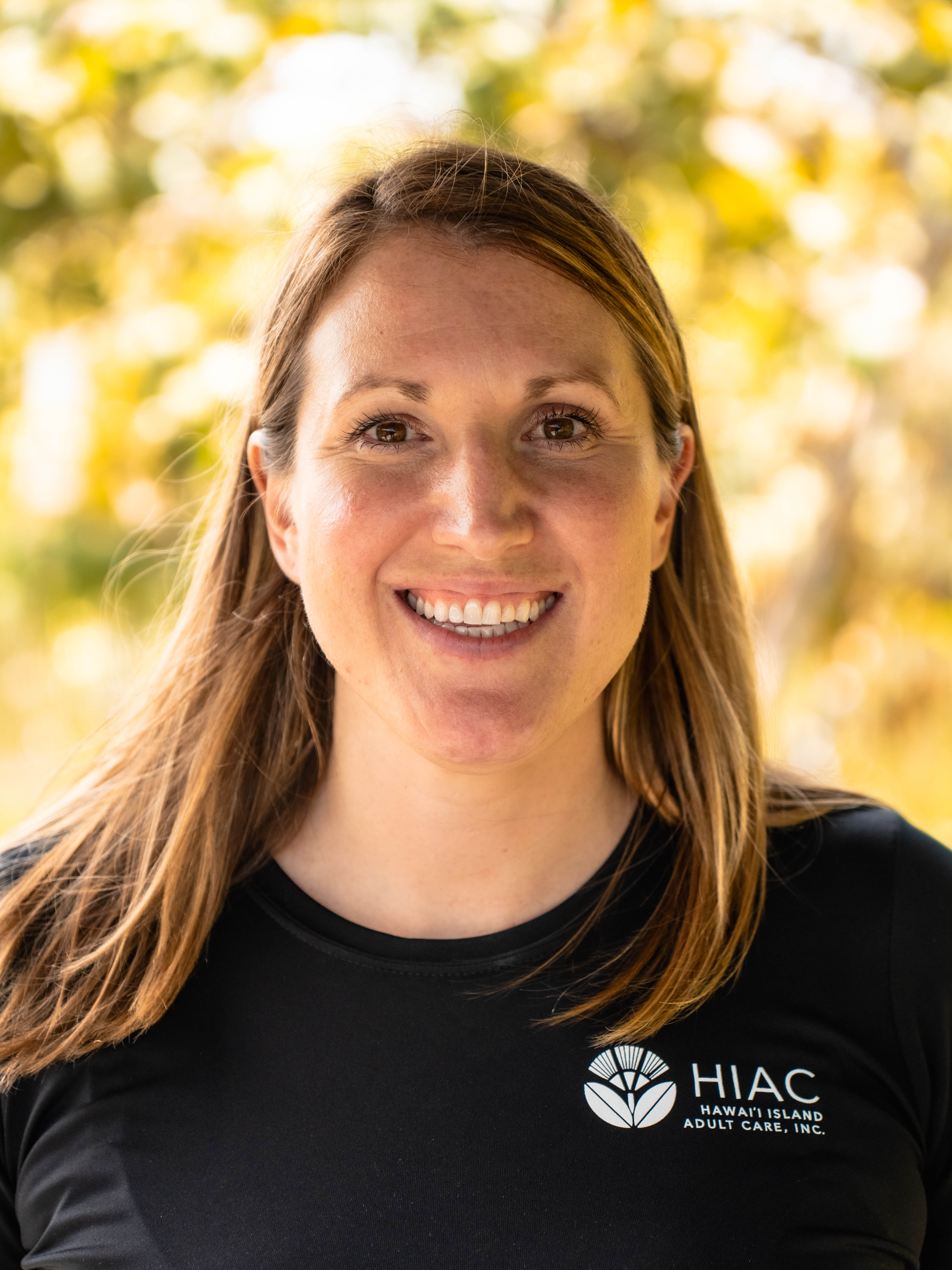
By Andrea Wernli, Executive Director Hawaii Island Adult Day Care, Inc. Even with all the good adult day care does for Hawaii Island, day care programs are under financial pressure. Government payments are much lower than what it really costs to provide care. For instance, Medicaid pays only $80 to $110 per person each day…
-
Hawaii News Now: Lawmakers look to preserve social services that prevent homelessness
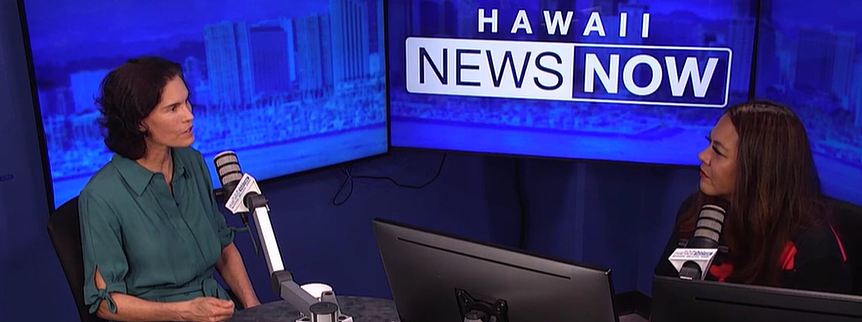
By: Annalisa Burgo Rep. Lisa Marten chairs the House Human Services and Homelessness Committee. She wants more funding for state-contracted service providers. “They do the work, but the amount of money we give them for that work has not gone up as salaries have increased, as inflation has hit, their utilities, their rent, gas, and…
-
Star Advertiser: Hawaii’s safety net fraying, near breaking

By Connie Mitchell, executive director of The Institute for Human Services For years, state contracts have failed to cover the full cost to deliver services. A recent survey found 68.9% of Hawaii True Cost Coalition members — nonprofits that deliver critical support services to our community, often referred to as safety net services — operate…
-
Kauai Now: Kaua`i’s vital community services face devastating impact from federal funding uncertainty
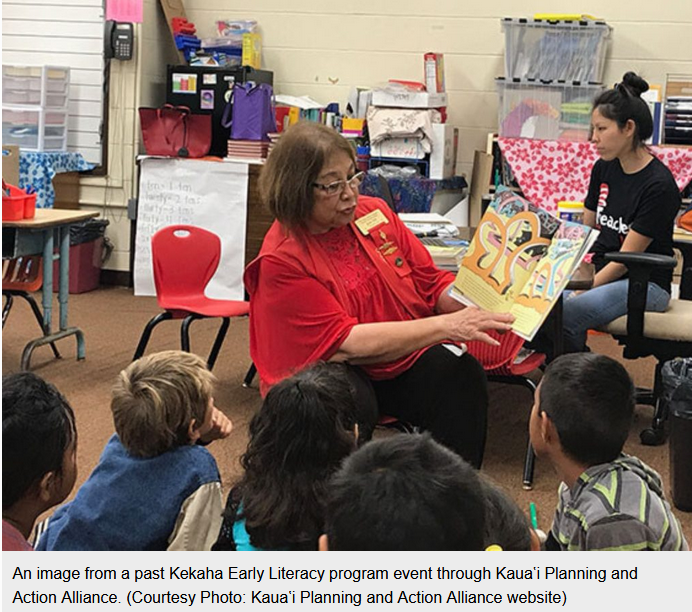
Community-based organizations are crucial lifelines for Kaua`i’s most vulnerable residents. They provide services such as domestic violence support, food assistance for kupuna and resources for those in needs. However, these essential services are now at serious risk because of federal funding cuts and ongoing uncertainty. Link to full article
-
MidWeek: Help the Helpers

Community-based organizations provide amazing social services to our state. Without their efforts, hundreds of thousands of local residents would have a harder time getting food, housing services or relief from domestic violence, etc. But this work is in jeopardy, which was apparent well before the current concerns about federal and state cutbacks on contract work,…
-
KITV: What does it take to serve the most vulnerable in Hawaii?

Hawaii True Cost Coalition comprised of over 70 CBOs serving more than 500,000 people statewide, advocates to ensure government contracts cover the full costs of providing services so that CBOs can continue delivering vital services to the most vulnerable in our community. Here’s how you can help keep the funding flowing. Link to video on…
-
Civil Beat: Health, Safety And Welfare Of Hawaii Under Threat From Trump

By Alice Luck, President and CEO of Kauai Planning and Action Alliance The threat to federal funds exacerbates the already longstanding issue of the chronic underfunding of government contracts. The purchasing power of the contracts these nonprofits rely on from the state has eroded over the decades. Contracts have not been adjusted for inflation or…
-
Hawaii News Now: Spotlight Now: Directors of Emergency Services, Institute for Human Services

Hawaii News Now Spotlight Now interviewed TCC member, Connie Mitchell, Executive Director of Institute for Human Services (IHS). Over the years, the costs have gone up and the contracts just haven’t kept up. And so it’s really tough. You have to raise more money to fill the puka and then you’re spending more time trying…